News
27/11/2025
The Father of the Hungarian Cooperative Movement
Count Sándor Károlyi of Nagykároly (1831–1906) was a prominent figure of the Hungarian agrarian movement and one of the founding fathers of the Hungarian cooperative movement. Throughout his active life, one of his main goals was to improve the economic position of farmers.
Károlyi saw one of the most important tools for supporting farmers in the establishment of cooperatives, and therefore played a significant role in the spread of both credit cooperatives offering favourable loans and consumer cooperatives providing affordable products to their members.
He played an important role in the foundation of the Association of Hungarian Farmers (Magyar Gazdaszövetség) in 1896, becoming its first president. Two years later, in 1898, he established Hangya as a consumer cooperative.
Hangya – officially the Hangya Production, Marketing and Consumption Cooperative – grew steadily: while it had 676 cooperatives in 1906, the year of Károlyi’s death, this number had risen to 1,969 by 1922.
In recognition of his achievements, grateful posterity erected a statue in his honour, which still stands today in City Park (Városliget), in front of the Hungarian Agricultural Museum.
The project Memoria Națiunilor (Memory of Nations) is being implemented under the INTERREG VI-A Romania–Hungary Programme, with the support of the European Union through the European Regional Development Fund, and co-financed by Romania and Hungary.

27/11/2025
Scanners have arrived
The BookEye 5 (A2) semi-automatic scanners purchased within the framework of the Memoria Națiunilor (Memory of Nations) project have arrived at the Hajdú-Bihar County Archives of the Hungarian National Archives.
The installation of the equipment and the training of our colleagues have also been completed, so the scanners are now ready for use, supporting archival digitization work related to the project – even at a regional level.
The new devices significantly support digitization processes, contributing to the faster and more efficient processing of archival materials, their online accessibility, and their long-term preservation.
Putting the scanners into operation marks another significant milestone in archival digitization, which also contributes to achieving the project’s objectives for cultural heritage preservation and community engagement.
The project Memoria Națiunilor (Memory of Nations) is being implemented under the INTERREG VI-A Romania–Hungary Programme, with the support of the European Union through the European Regional Development Fund, and co-financed by Romania and Hungary.
19/11/2025
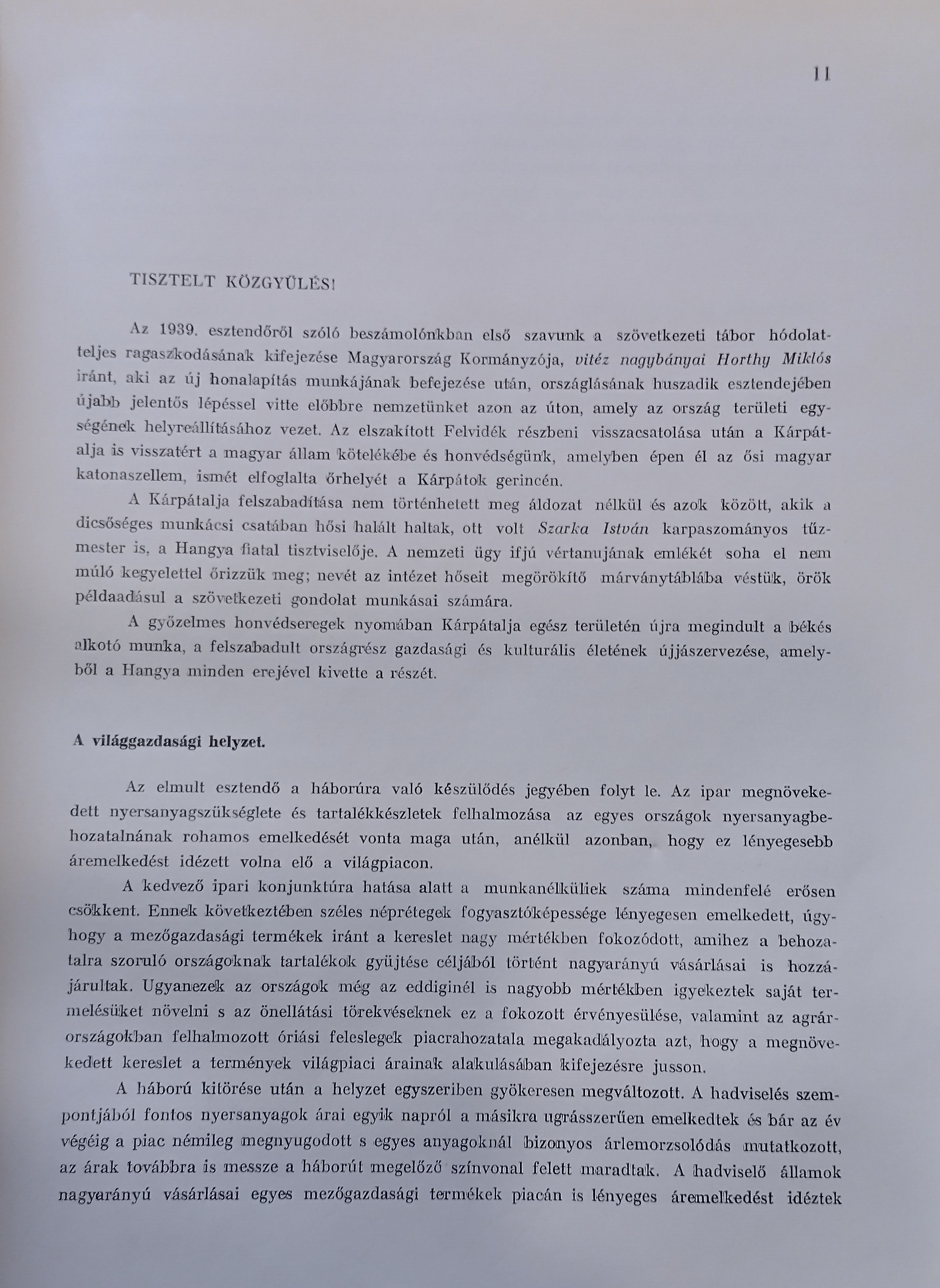
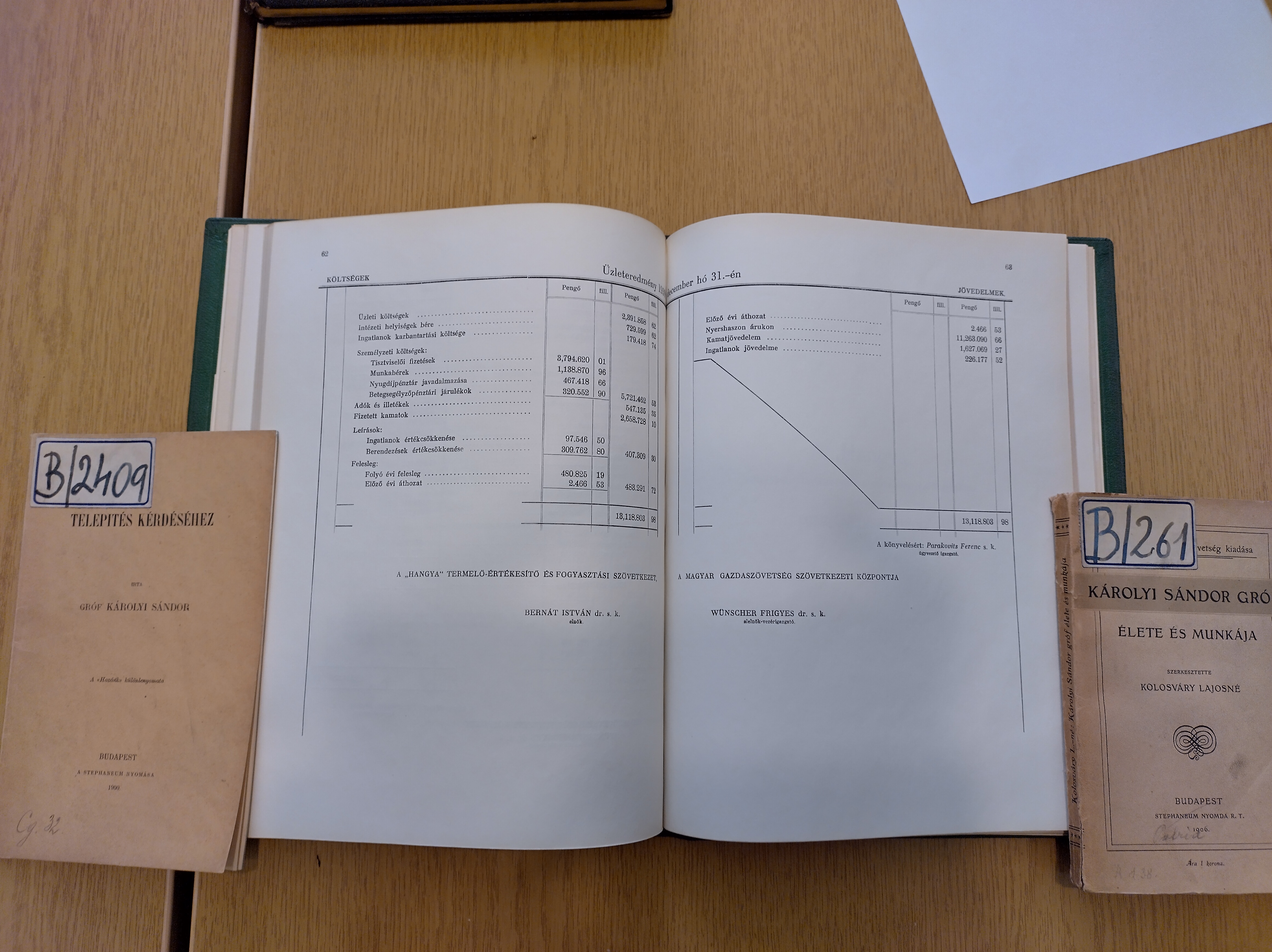
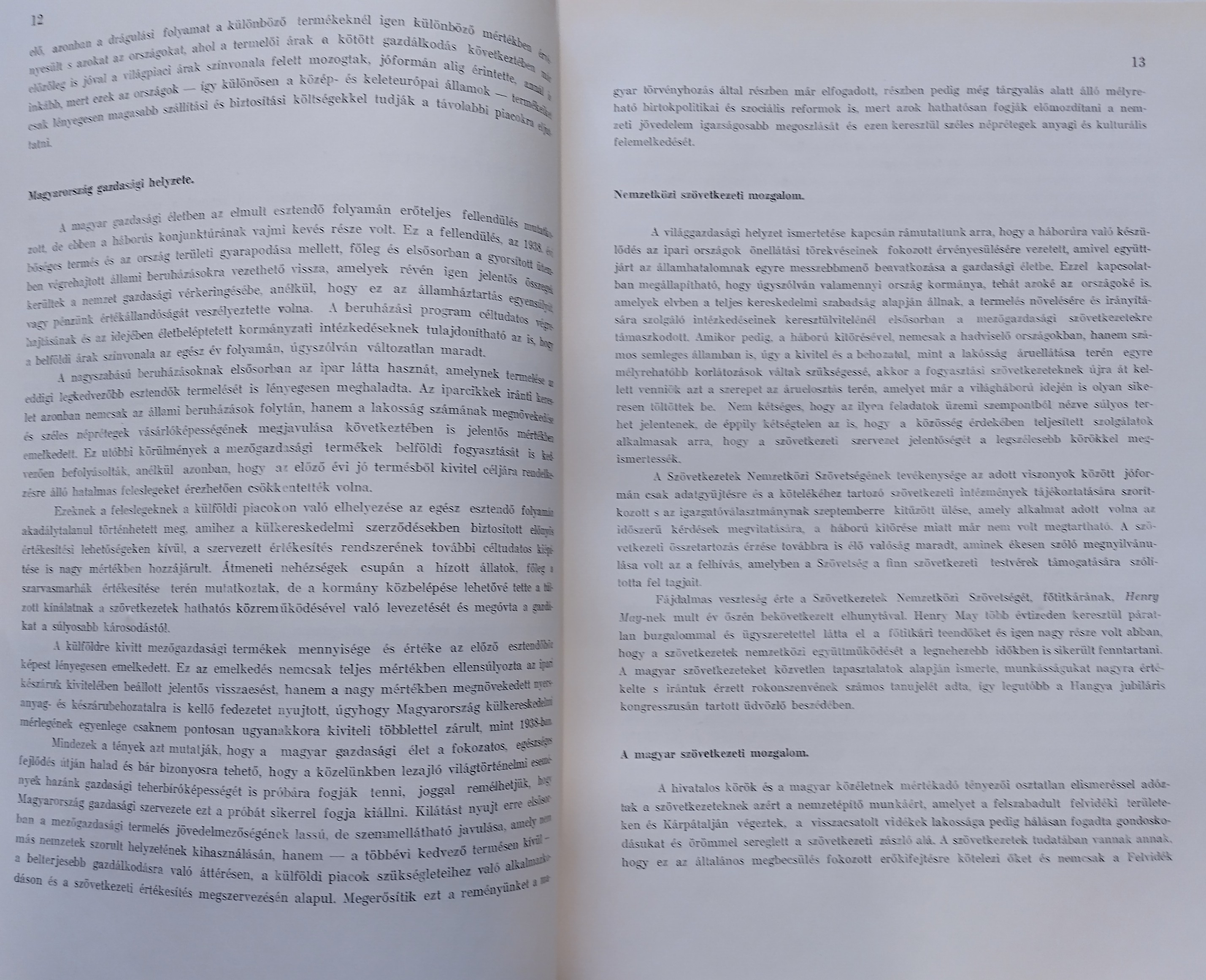
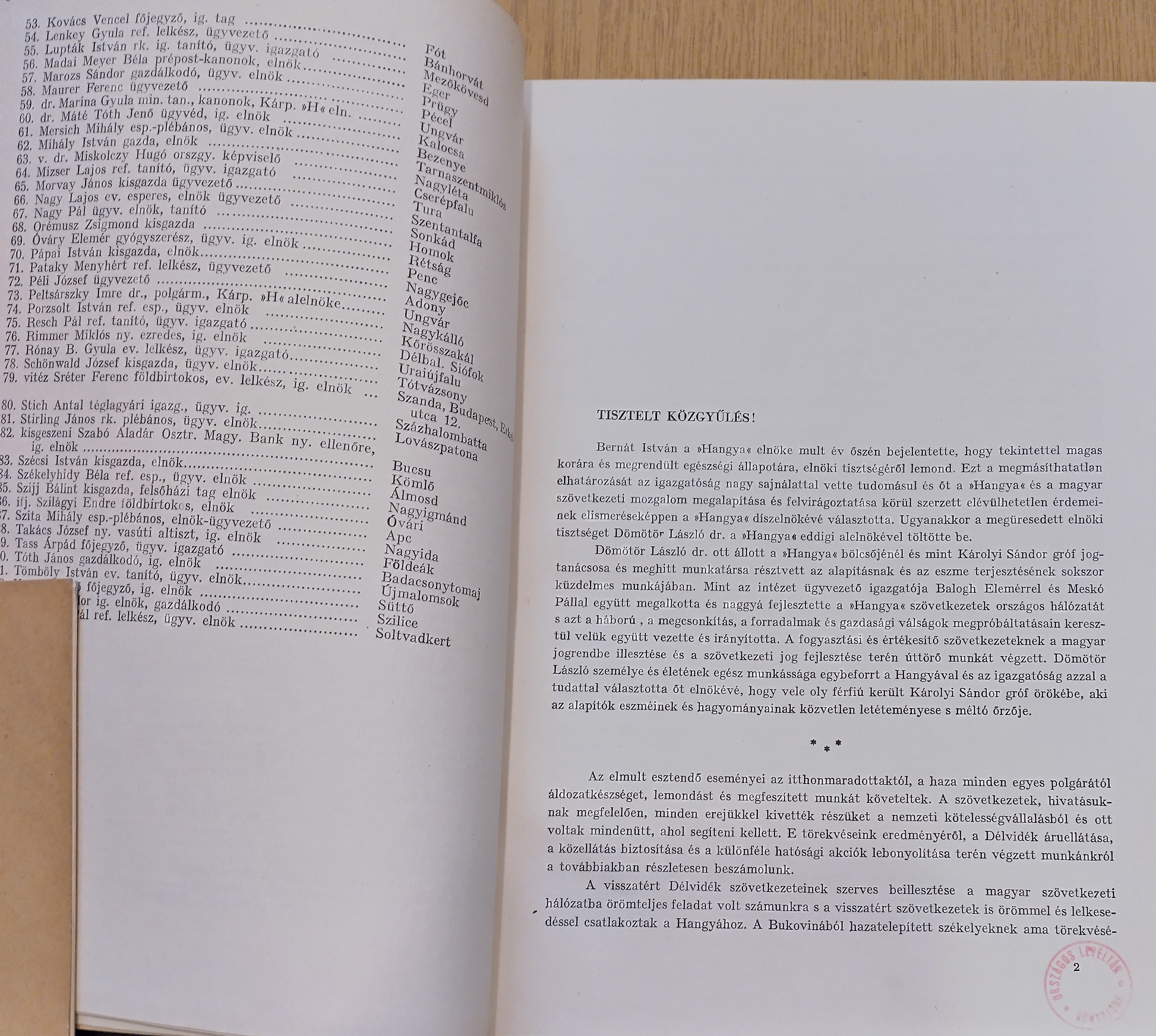
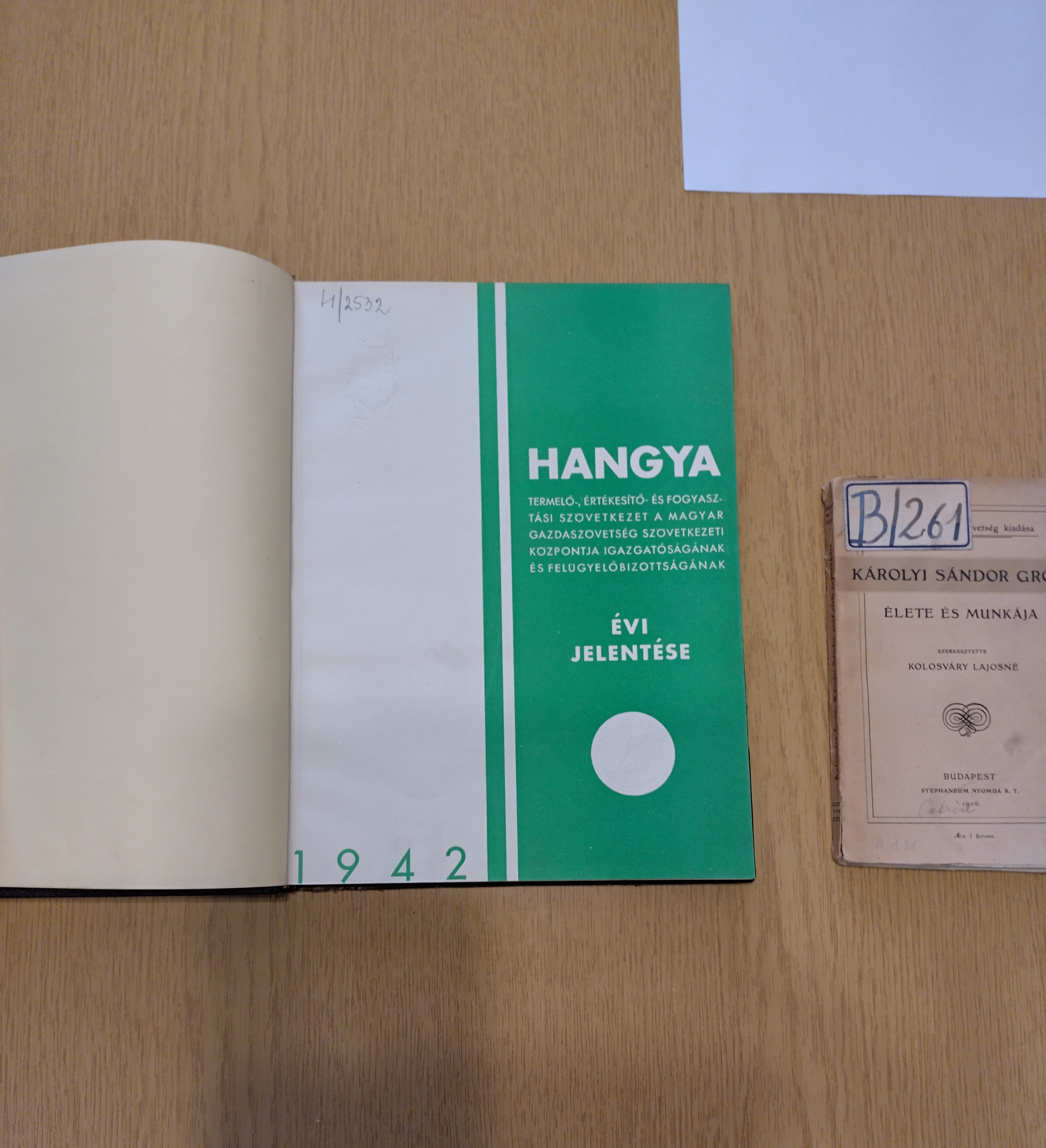
The Annual General Meeting Reports of the Hangya Cooperative
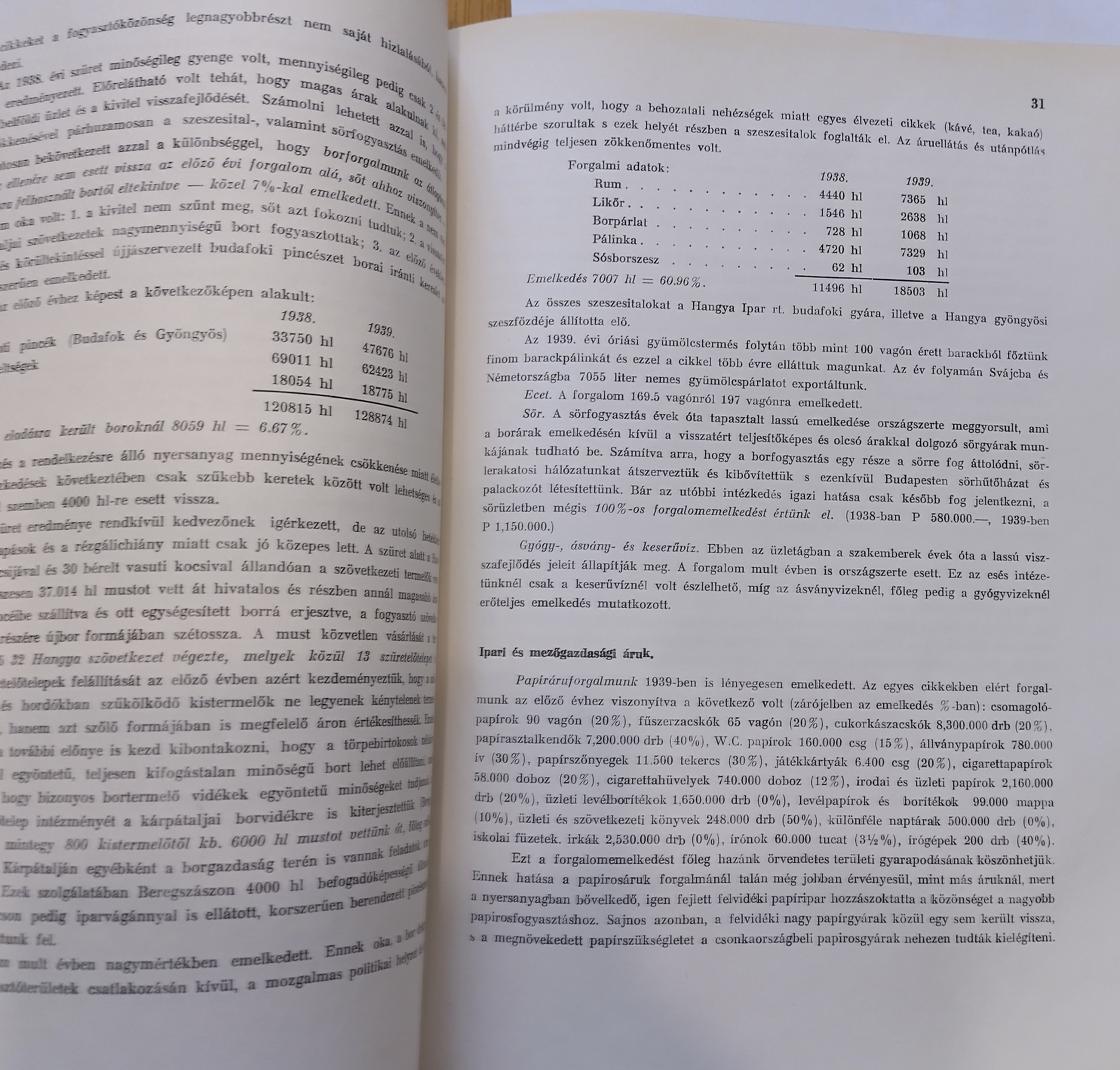
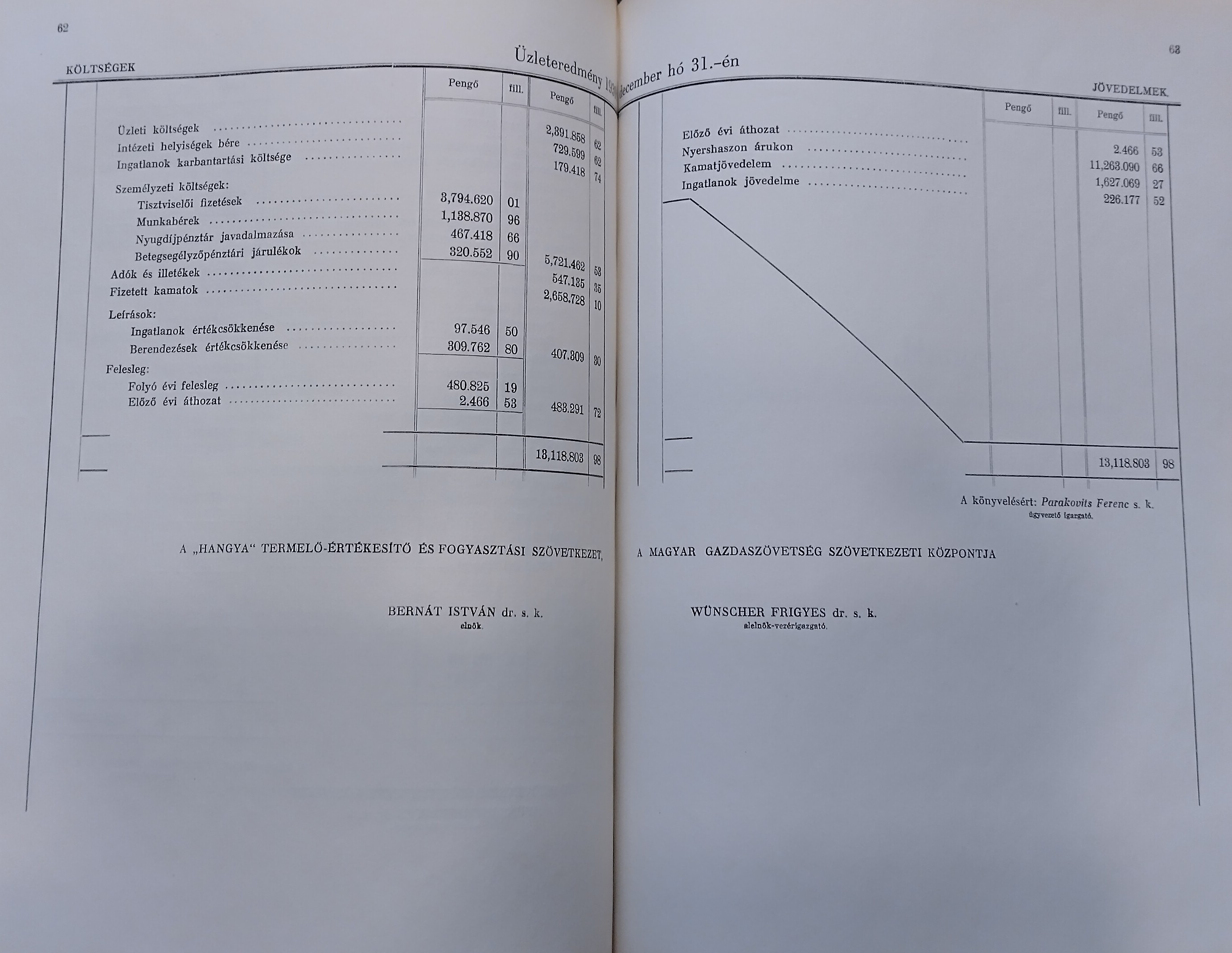
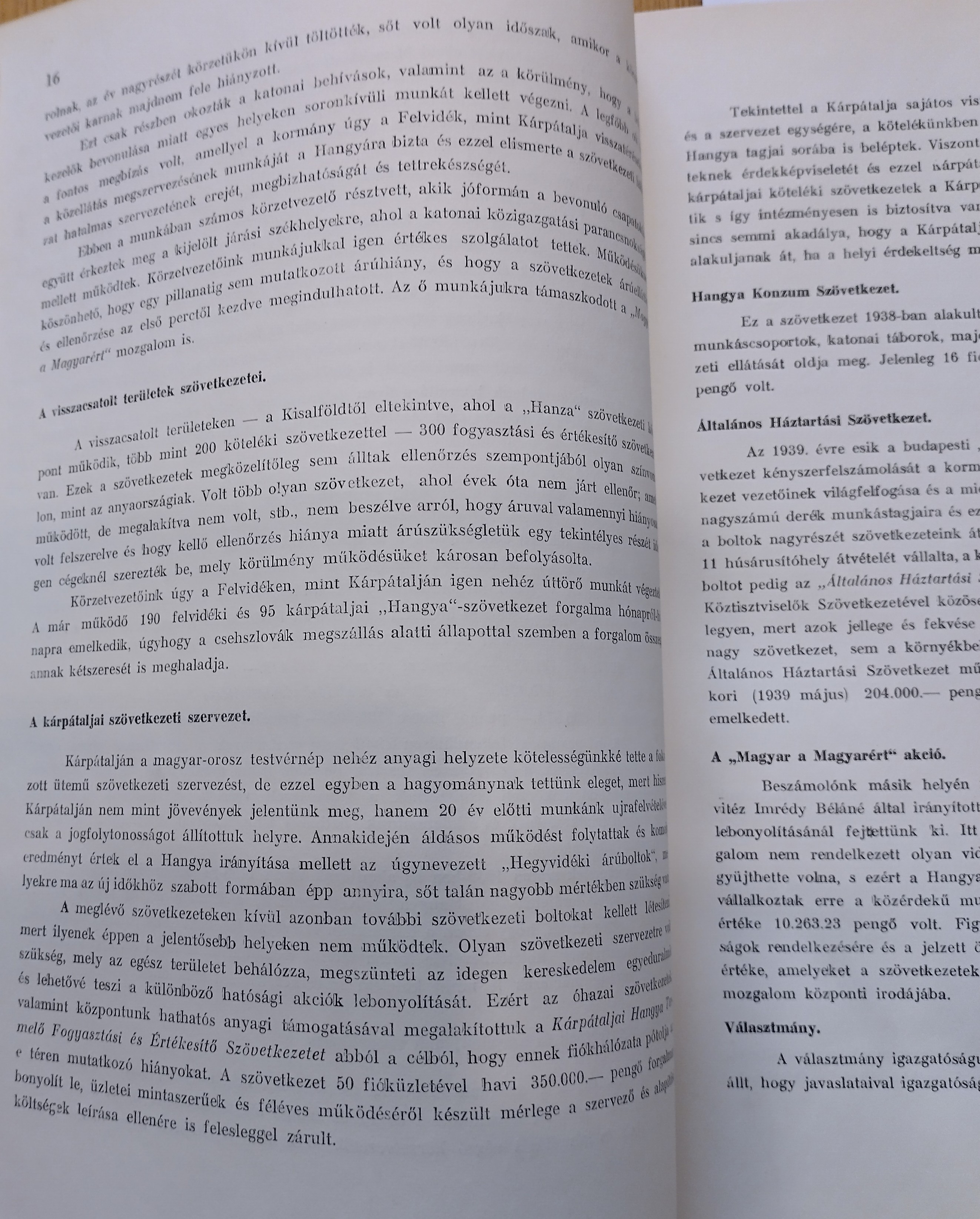
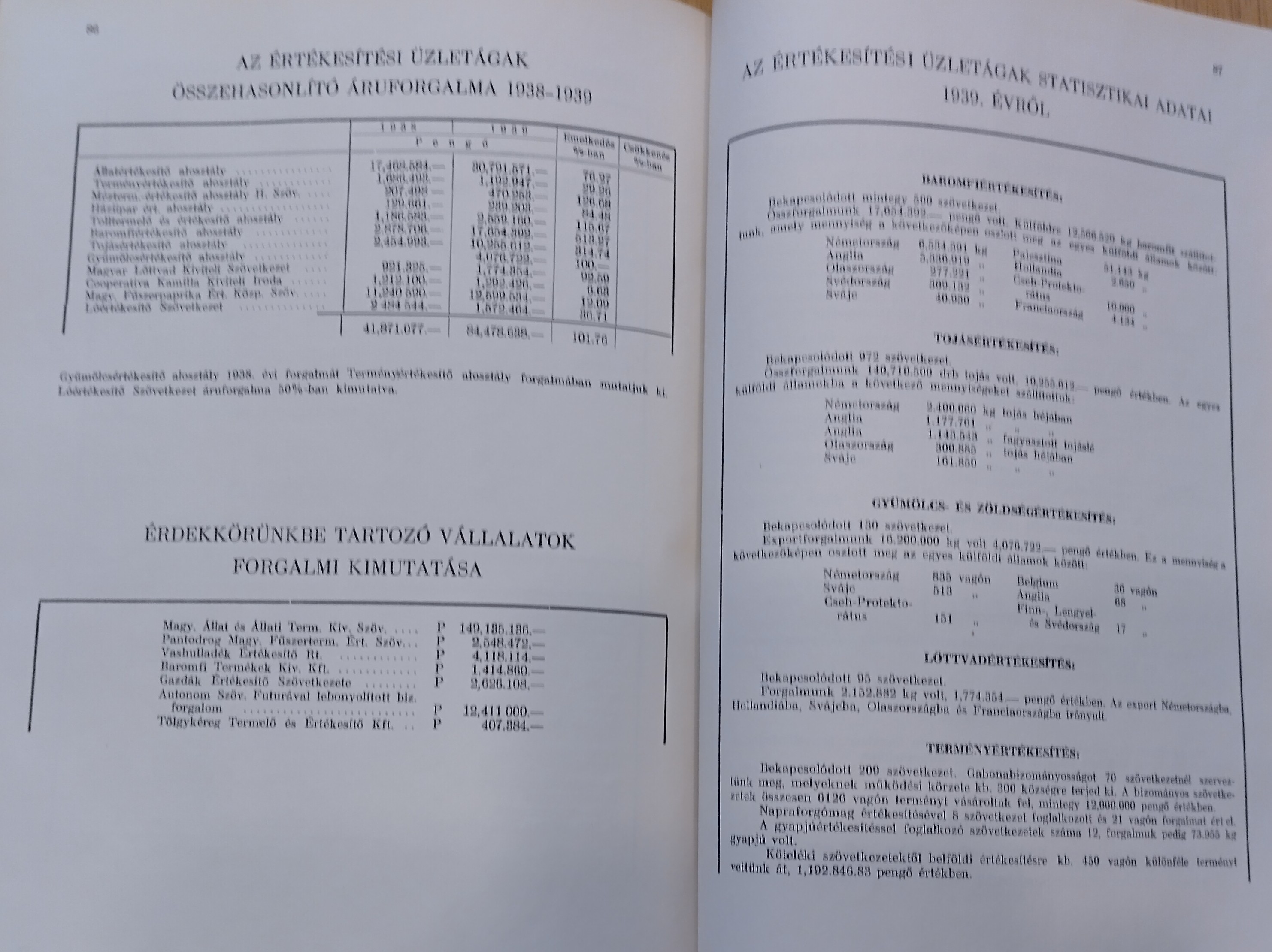
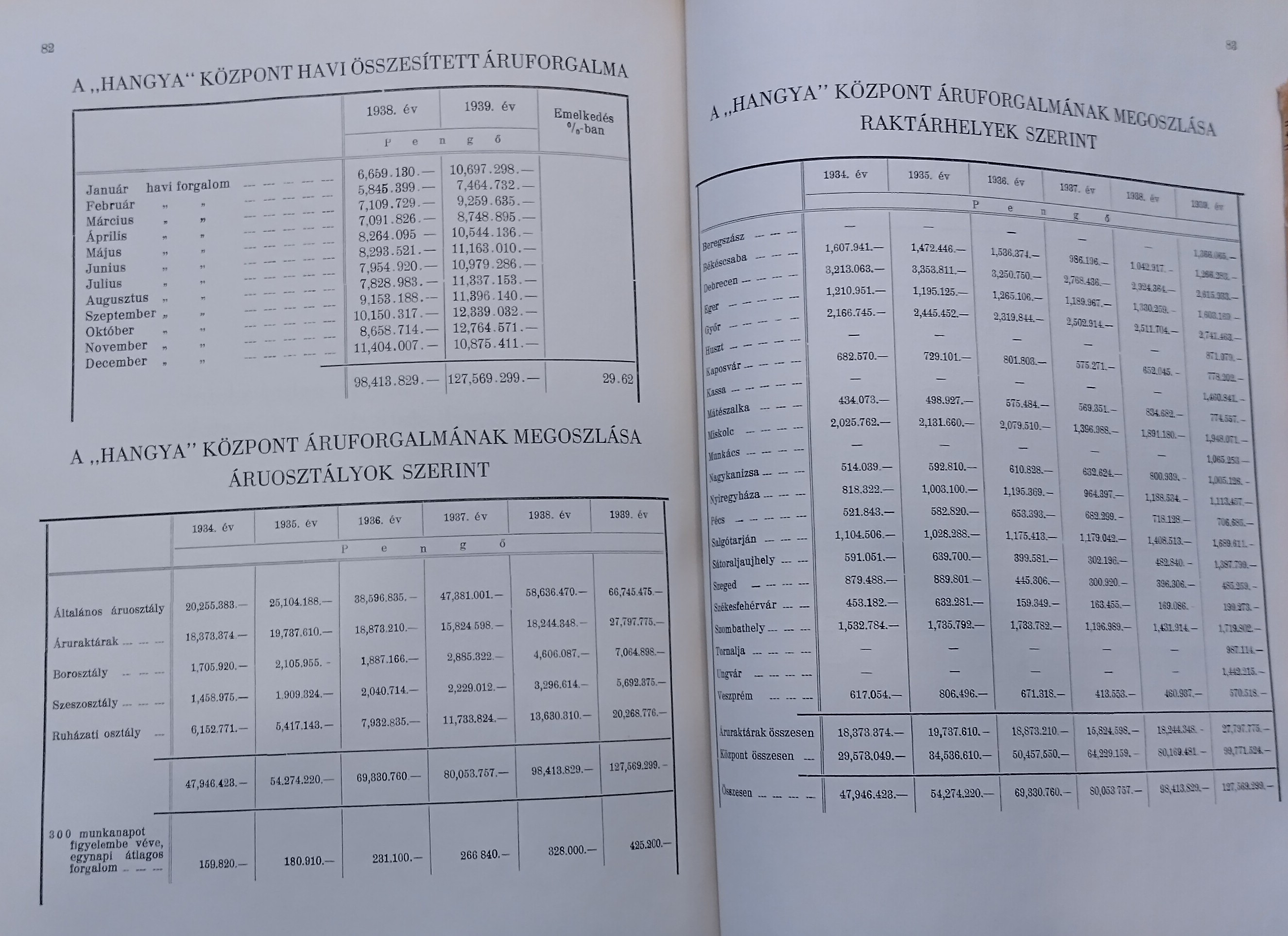
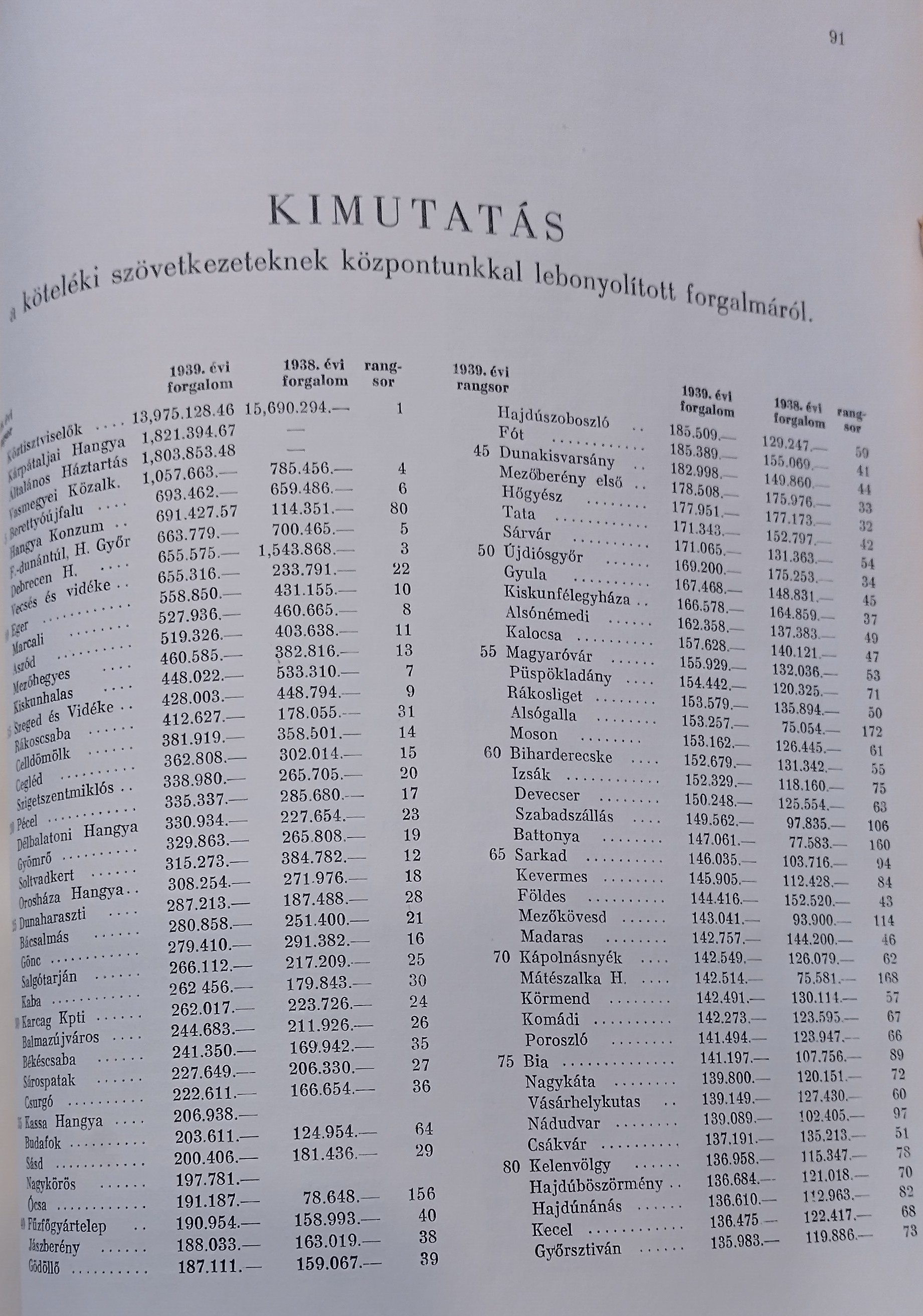
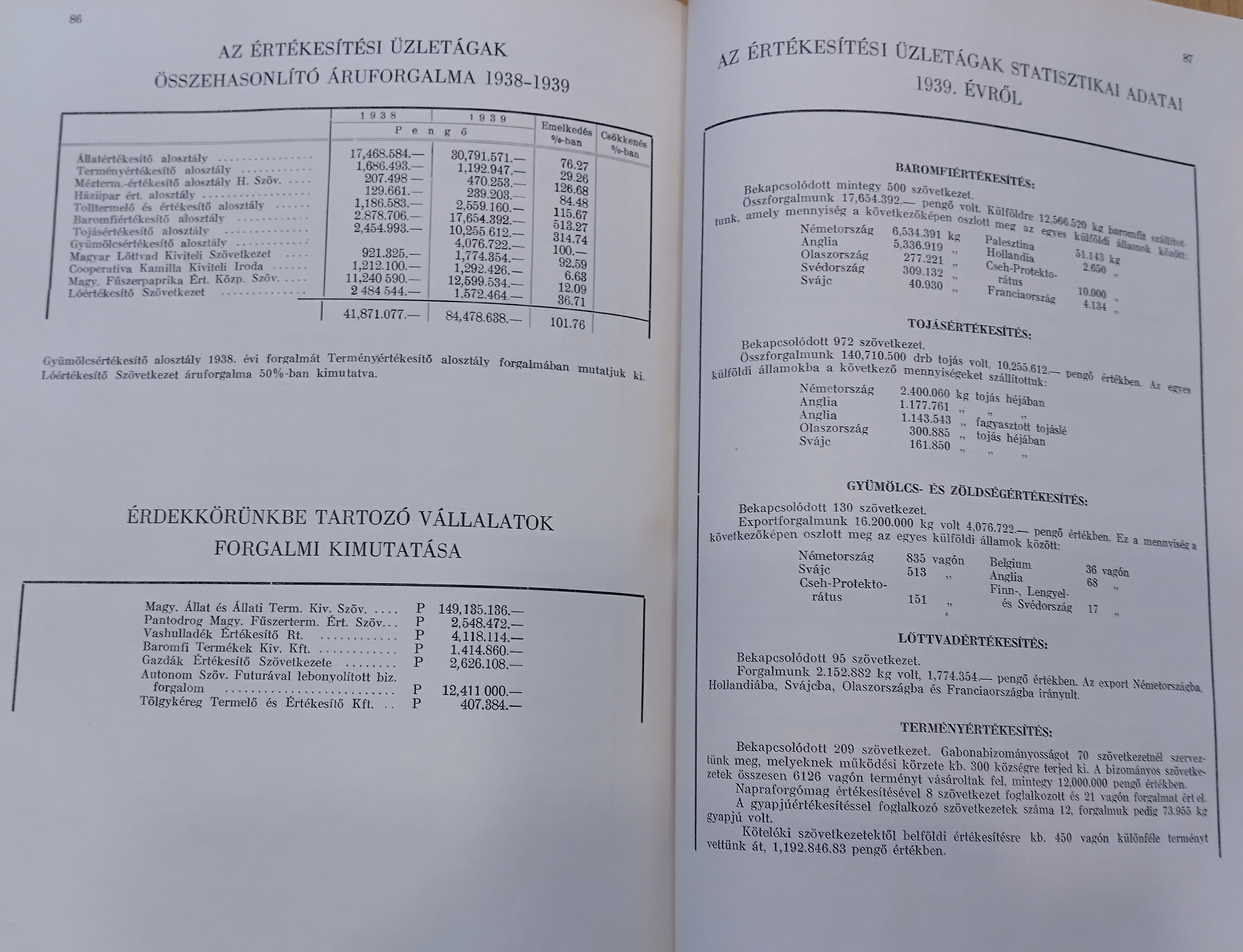
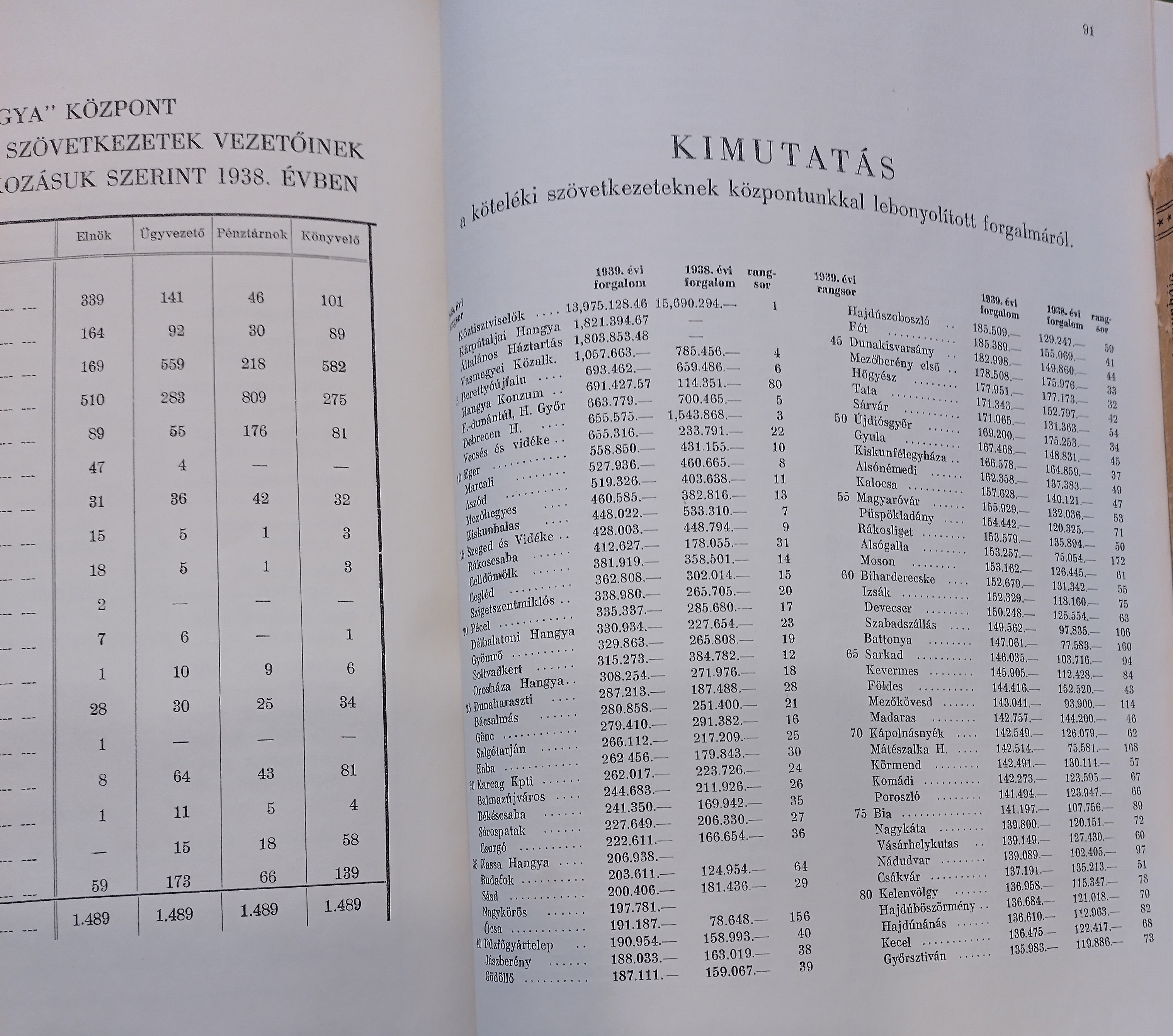
As an economic organization, the Hangya Cooperative issued annual general meeting reports with the aim of providing information about the economic performance of the previous year and the economic processes affecting the cooperative. Accordingly, the annually published volumes—each exceeding 100 pages—presented the performance of the Hangya Cooperative and the companies it owned through detailed, information-rich data series and statistical tables. They also reported on changes affecting the cooperative’s leadership .
The general meeting reports are valuable sources not only for economic history but also for researchers of data visualization and corporate design.
The project Memoria Națiunilor (Memory of Nations) is being implemented under the INTERREG VI-A Romania–Hungary Programme, with the support of the European Union through the European Regional Development Fund, and co-financed by Romania and Hungary.